1. Clean or Replace Air Filters
Start your Fall heat pump maintenance effectively, by checking and cleaning the air filters. Over time filters accumulate dust and debris, obstructing airflow and causing the system to work harder. Clean filters ensure proper air circulation, improving indoor air quality and preventing strain on the pump. For optimal performance, consider making this a monthly task during the heating season.
2. Inspect and Clean Coils
The evaporator and condenser coils play a crucial role in the heat exchange process. These coils can accumulate dirt and grime, reducing the system’s overall efficiency. Inspect them regularly and clean as needed. Clearing away debris is also essential, enhancing performance and extending the lifespan of your heat pump. If the pump’s coils are too difficult to access or clean, it’s advisable to seek professional assistance.
3. Check Thermostat Settings
Ensure your thermostat is set to the desired temperature for the upcoming colder months. Consider investing in a programmable thermostat if you haven’t done so already. These devices allow you to set different temperatures for various times of the day, optimizing energy usage and increasing cost-savings. Proper thermostat settings contribute significantly to energy efficiency and comfort in your home.
4. Examine Ductwork for Leaks
Leaky ducts can lead to significant energy loss, diminishing the efficiency of your heat pump. Inspect your ductwork for any visible leaks or gaps. Seal these with appropriate materials and insulate ducts in unconditioned spaces. This ensures that warm air produced by the heat pump reaches all areas of your home without unnecessary losses; keeping energy bills in check.
5. Inspect Refrigerant Levels
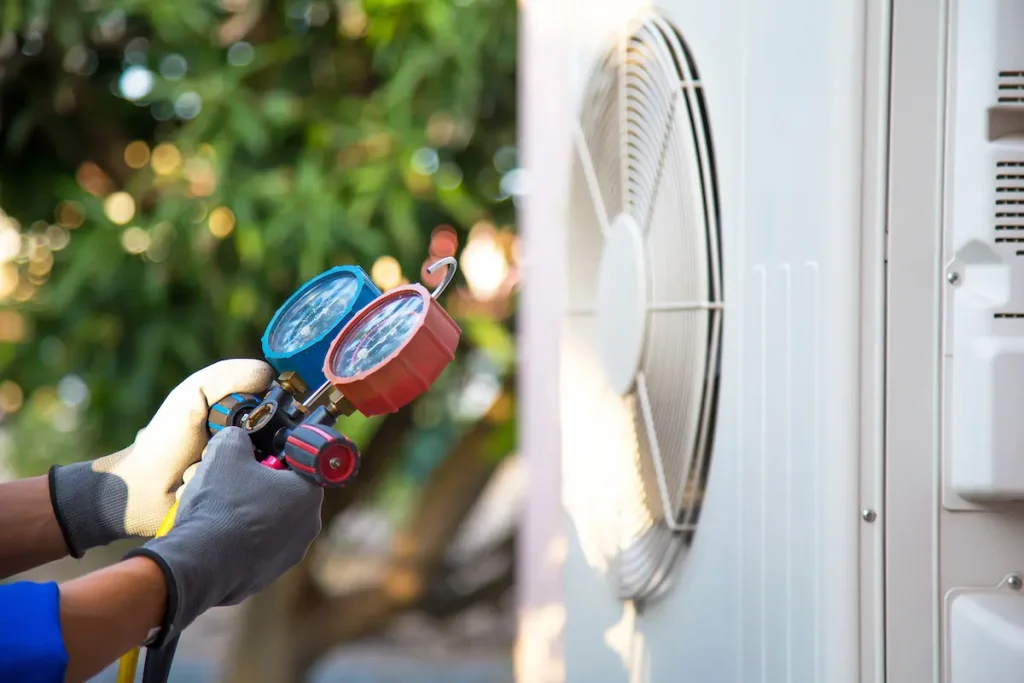
Low refrigerant levels can compromise your heat pump’s ability to warm your home efficiently. If you notice any signs of refrigerant issues such as reduced heating performance or unusual sounds, it’s time to consult a professional. A certified technician can check and adjust refrigerant levels, as well as identify and repair any leaks in the system; ensuring optimal performance.
6. Clear Debris Around the Outdoor Unit
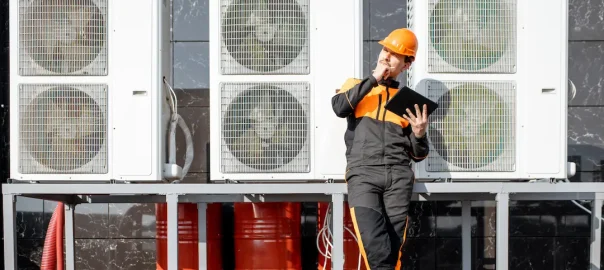
The outdoor unit of your heat pump can easily collect leaves, branches, and other debris. Before the cold weather sets in, take the time to clear the area around the outdoor unit. This not only prevents potential damage, but also ensures proper airflow allowing the heat pump to operate efficiently. Trim any nearby vegetation as well, maintaining a clear space for the heating unit.
7. Test the Defrost Cycle
In Northern Virginia’s frosty Winters, the defrost cycle is a critical component of your heat pump’s operation. Test this function to ensure that your system can effectively handle frost buildup. If you encounter any issues or the defrost cycle does not seem to be working correctly, it’s advisable to seek professional assistance to address the potential problem; before colder weather arrives to complicate matters.
8. Schedule Professional Maintenance
While some maintenance tasks can be handled by homeowners, scheduling a professional inspection is essential for comprehensive care. R.A. Dobson, your local heating and cooling experts, offer thorough heat pump maintenance services. Our technicians can identify and address issues that may not be apparent to the untrained eye. By entrusting your heat pump to professionals, you ensure that it operates at peak efficiency, providing reliable heating for your home throughout the Fall and Winter seasons.